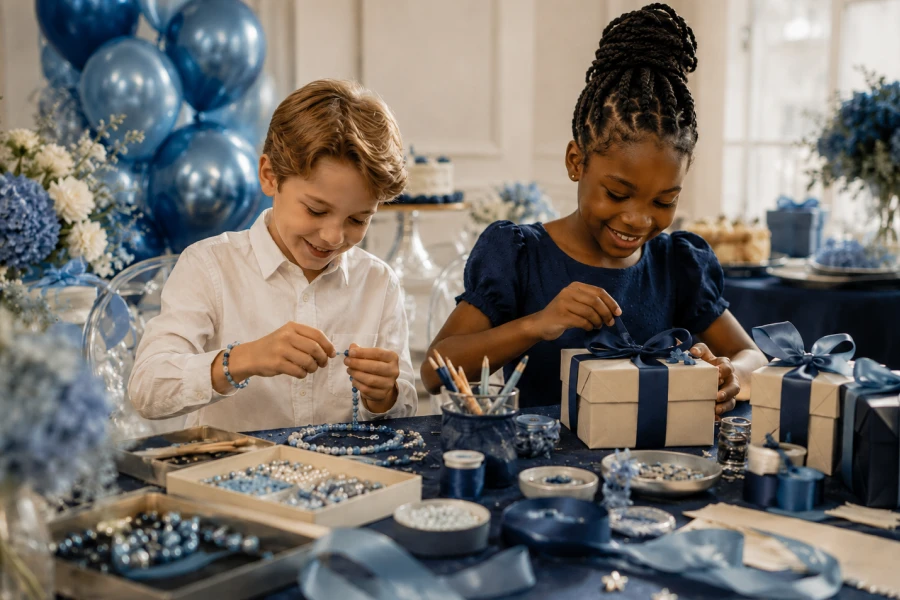
Creative birthday gifts for kids work best when they invite imagination instead of simply filling a shelf. Children remember the presents that let them make something, try something, or become part of a story. A great gift does not need to be extravagant. It needs a clear spark. That spark might be color, movement, sound, taste, mystery, or shared laughter. Parents and relatives often want ideas that feel exciting without creating clutter. They also want gifts that match age, mood, and personality. The strongest options offer both fun and purpose. They keep children engaged after the first hour. Most importantly, they make the birthday feel personal, not predictable.
A creative present changes the energy of a birthday because it gives the child something active to do. It can become part of the party itself. A craft set can turn guests into makers. A baking activity can become a sweet group moment. A backyard game can pull everyone into motion. These gifts create scenes that people remember. They also photograph naturally without needing staged moments. For gift-givers looking for birthday activity ideas, the best choices feel easy to start. Children should understand the fun quickly. Adults should not need complicated instructions before the excitement begins.
The safest creative choice begins with what the child already loves. Some children want to build. Others want to decorate, perform, cook, draw, collect, compete, or explore. A gift that reflects those patterns feels much more personal. It says the adult paid attention. That feeling matters deeply to children. Even a small present can feel impressive when it matches a favorite hobby. Avoid choosing based only on current trends. Trends fade faster than genuine interest. Instead, use trends as a layer, not the whole idea. A trendy color, theme, or character can improve a gift, but the activity should still fit the child’s personality.
Making-based gifts are powerful because they end with a visible result. Children feel proud when they finish a bracelet, painting, model, cake, costume, or tiny garden. That pride keeps the gift meaningful. It also encourages patience and problem-solving. The final object becomes proof that they created something. For many kids, that experience feels more satisfying than passive entertainment. Gift-givers can explore hands-on gift planning when they want something interactive. Look for kits with clear steps, quality materials, and flexible outcomes. The best options allow children to personalize the result instead of copying one exact sample.
Excitement drops when a present requires too much setup. Children want to open, understand, and begin. That does not mean the gift must be simple. It means the first step should feel inviting. A good creative present has a low starting barrier and room to grow. Starter supplies should be included whenever possible. Instructions should be visual, friendly, and not overwhelming. Parents appreciate this too. They do not want a birthday gift that creates an immediate errand. Storage matters as well. Choose sets that come with boxes, bags, trays, or tidy compartments. A gift that stays organized is more likely to survive beyond birthday week.
Some of the strongest presents remain useful as skills improve. A quality sketch set can serve beginners and confident young artists. A musical starter kit can support months of practice. A sports training tool can become part of a routine. A beginner sewing machine can evolve from simple patches to real projects. These gifts feel generous because they offer room for progress. They also show respect for the child’s ability to learn. Adults comparing skill-building presents should think beyond the first day. Ask whether the child can return to the gift repeatedly with new ideas.
The most memorable creative gifts often include a personal detail. A custom art station, name-labeled supply box, themed project basket, or shared experience can feel deeply special. Personalization should support the activity, not replace it. Children still need something fun to do. A beautiful label on a boring object will not save the present. The emotional value comes from matching the child’s world. Include a note explaining why you chose it. Add supplies that reflect their favorite colors or hobbies. Pair the gift with a promise to try it together. Those small touches can turn a practical item into a birthday memory.


Leave a comment