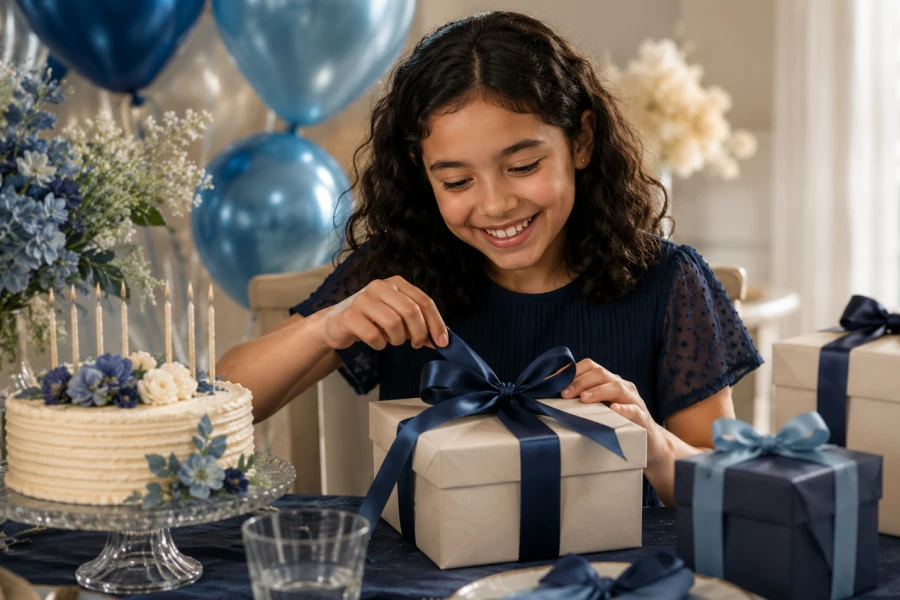
Choosing birthday gifts for 10 year olds can feel harder than shopping for toddlers or teens. They are curious, opinionated, and quickly outgrowing anything that feels too babyish. At the same time, they still love surprise, play, and colorful moments. A strong present should respect that in-between stage. It should feel fun without feeling random. It should also give the child something to explore after the party ends. Parents and relatives often need ideas that feel fresh, useful, and memorable. That is where thoughtful planning makes the difference. A well-chosen gift can support confidence, creativity, and independence. It can also create a birthday memory that lasts much longer than wrapping paper.
Ten is a fascinating age because children want more say in their own world. They notice trends, friendships, hobbies, and personal style more clearly. Simple toys may still work, but only when they match real interests. Generic choices often disappear into closets by the next weekend. Better options feel connected to who the child is becoming. A creative kit can honor their curiosity. A hands-on experience can build a skill. A personalized surprise can make them feel truly seen. For families who need age-appropriate surprise ideas, the smartest approach starts with observation. Notice what they talk about, collect, build, draw, watch, or ask to try next.
The best gifts often sit outside the obvious birthday categories. A beginner camera can turn walks into mini adventures. A room decor project can make their space feel more grown up. A cooking set can make weekend breakfast feel like an achievement. A subscription box can stretch the birthday excitement across several months. Experiences also work beautifully at this age. Think classes, museum days, animal encounters, craft workshops, or tickets to a local show. These choices feel special because they become stories. They also give adults an easy way to spend meaningful time with the child. That emotional layer can matter more than price. The present becomes part of a relationship, not only an object.
Confidence grows when children try something slightly challenging and succeed. A gift can support that without feeling educational or forced. Science kits, beginner instruments, creative writing prompts, sports accessories, and puzzle sets all invite effort. The key is choosing the right difficulty level. Too easy feels boring. Too advanced feels discouraging. A balanced choice says, you are capable, and this is worth trying. That message lands powerfully at ten. For adults comparing creative milestone presents, confidence should be part of the decision. Gifts that help children make, perform, solve, or practice can quietly shape how they see themselves.
A memorable present usually has more than one layer. It should be exciting at first glance. It should also hold attention after the novelty fades. Many strong choices combine entertainment with personal growth. A jewelry-making kit becomes self-expression. A coding toy becomes problem-solving. A baking set becomes family time. A sports rebounder becomes movement and persistence. Independence matters too because ten-year-olds enjoy feeling trusted. Gifts that they can manage mostly on their own feel especially empowering. Still, they should not create stress for parents. Avoid anything that requires constant adult setup, complex maintenance, or expensive refills. The smoother the gift fits daily life, the more often it gets used.
Some presents work because they invite connection. Board games can turn evenings into laughter. Outdoor equipment can pull everyone away from screens. DIY dessert tools can create a small birthday tradition. Art supplies can become a rainy-day ritual. These gifts are practical, but they are also emotional. They give family members something to do together. That is especially valuable when children start becoming more independent. A present can open a door without feeling intrusive. For grandparents or distant relatives, parent-approved gift inspiration helps avoid guesses. It also makes the final choice feel warm, intentional, and easier to enjoy.
The easiest method is to match the gift to a clear personality clue. An active child may love sports gear, dance accessories, or outdoor challenges. A quiet creator may prefer sketchbooks, craft tools, or cozy room accents. A curious thinker may enjoy experiments, puzzles, or building sets. A social child may love group games, party activities, or friendship-themed projects. Budget also deserves a calm plan. Expensive does not automatically mean meaningful. Sometimes the winning present is small, specific, and perfectly timed. Ask what the gift encourages after the birthday. If it sparks action, expression, connection, or pride, it already has a stronger chance of becoming memorable.


Leave a comment