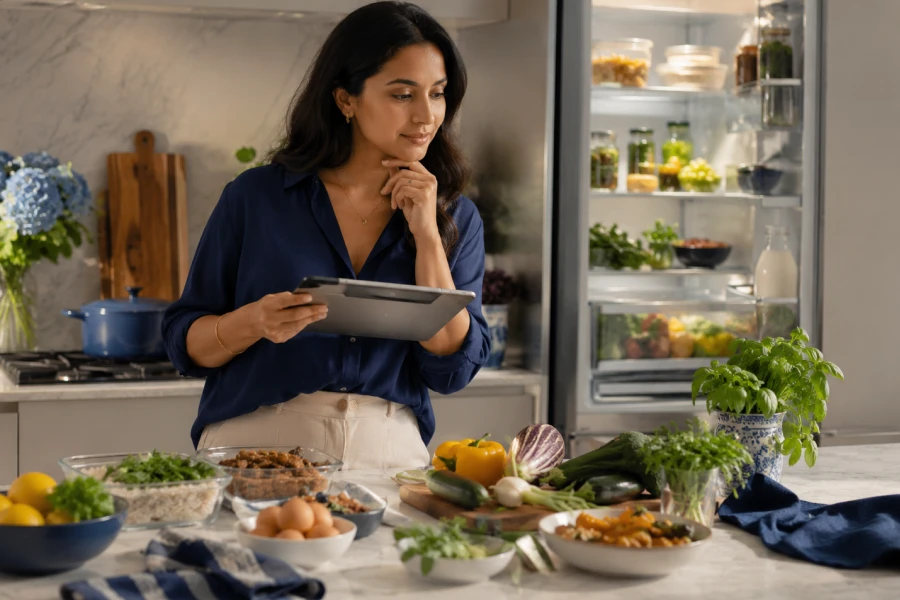
An ai meal planner from fridge ingredients can turn scattered food into a realistic dinner plan. Most households already have something usable in the refrigerator. The problem is not always a lack of food. It is the mental work of deciding what those ingredients can become. Busy evenings make that decision feel even heavier. A smarter planning approach reduces waste, saves money, and removes the blank-page feeling before dinner. It also helps home cooks use what they own before buying more. The result feels practical rather than flashy. You open the fridge, enter what is available, and receive direction. Dinner becomes less chaotic and more possible.
The power of this approach comes from starting with reality. Traditional meal planning often begins with recipes that require another shopping trip. Fridge-first planning begins with what is already there. That shift changes everything. It helps families avoid duplicate purchases. It also makes leftovers feel useful instead of forgotten. A digital system can combine vegetables, proteins, grains, sauces, and pantry staples quickly. For cooks exploring a smart meal planning system, speed matters. The best results feel specific, flexible, and easy to adjust. The technology should support dinner, not complicate it.
Better planning begins before any recipe appears. Look at what needs to be used first. Notice opened vegetables, cooked grains, half-used sauces, dairy, eggs, herbs, and proteins. Add pantry basics too because they expand the possibilities. Pasta, rice, beans, tortillas, broth, and spices can rescue many meals. Be honest about time and energy. A busy night needs a different plan than a relaxed weekend. Also consider who is eating. Children, picky eaters, guests, or dietary needs can shape the final choice. The goal is not a perfect gourmet menu. It is a doable meal that uses food well and reduces stress.
Food waste often happens quietly. One cucumber softens behind a carton. A container of rice gets ignored. Herbs wilt before anyone remembers them. Planning from available ingredients helps stop that pattern. It encourages cooks to use fragile items first. It also turns leftovers into components instead of problems. A spoonful of sauce can become a marinade. Roasted vegetables can become tacos, bowls, omelets, or pasta. People who want fridge-first recipe ideas should think in combinations, not only finished dishes. That mindset makes dinner more flexible. It also makes the grocery budget work harder.
Decision fatigue is one of the hidden reasons people order takeout. By evening, even simple choices can feel annoying. A planning tool can remove several small decisions at once. It can suggest a direction, estimate effort, and help organize ingredients. That creates momentum. The cook still has control, but the starting point is easier. This matters for households with changing schedules. Some nights need ten-minute meals. Others can handle chopping, simmering, or baking. A useful plan respects the actual evening. It does not assume unlimited patience. When the plan fits real energy, home cooking becomes much easier to repeat.
Flexibility is essential because real refrigerators rarely match recipes perfectly. Maybe the recipe calls for spinach, but you have kale. Maybe it needs chicken, but you have beans. Maybe it suggests sour cream, but yogurt works. Smart planning should offer substitutions without making dinner feel like a compromise. It should also suggest flavor directions. Mediterranean, Tex-Mex, cozy soup, quick stir-fry, and breakfast-for-dinner ideas can all come from similar ingredients. Home cooks using weeknight cooking shortcuts benefit from adaptable thinking. The best meal is often the one that fits what you already have.
A fridge-first habit works best when it becomes simple and repeatable. Pick two weekly moments for inventory. One can happen before grocery shopping. The other can happen before the busiest dinner night. Keep a short list of flexible meal formats. Bowls, wraps, soups, skillet meals, pastas, omelets, and sheet-pan dinners adapt beautifully. Store common sauces and staples nearby. That makes ingredient combinations faster. Also save successful meals for future use. Over time, the system becomes more personalized. You learn which leftovers work together. You also build confidence in improvising. Dinner becomes less about starting from scratch and more about seeing possibilities.




Leave a comment