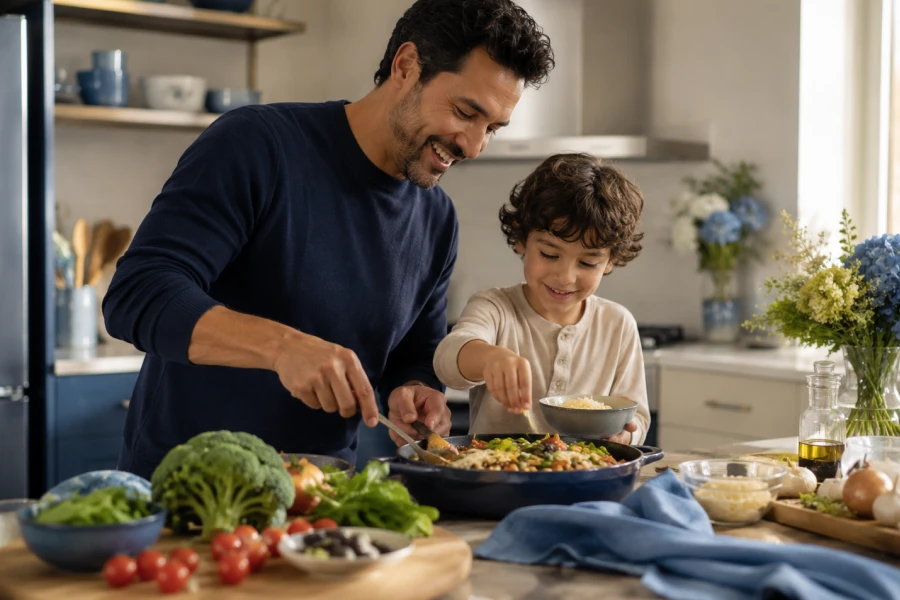
Easy recipes from fridge ingredients help families cook without turning dinner into a full production. Most people do not need more complicated inspiration at the end of a long day. They need a practical way to use what is already available. A few vegetables, a protein, a sauce, and a pantry staple can become several meals. The challenge is seeing those possibilities quickly. This approach makes cooking feel less wasteful and more flexible. It also helps reduce extra grocery trips. Families can eat well without chasing perfect recipes. The goal is not culinary performance. The goal is a satisfying meal that fits real time, real energy, and real ingredients.
Stress often begins before cooking starts. People open the refrigerator, see disconnected items, and assume there is nothing to eat. In reality, many meals begin with uneven leftovers. A bit of rice, a few vegetables, and eggs can become fried rice. Cooked pasta, cheese, and sauce can become a quick bake. Beans, tortillas, and salsa can become dinner in minutes. For households seeking quick fridge meals, the key is recognizing patterns. Once those patterns become familiar, dinner decisions get faster. The fridge stops looking empty and starts looking useful.
Formats are easier than recipes when ingredients change often. Bowls, wraps, soups, omelets, pasta, salads, toast, and sheet-pan meals can absorb many combinations. This makes cooking more forgiving. You do not need the exact vegetable or protein. You need a structure that brings ingredients together. A grain bowl needs a base, topping, sauce, and texture. A wrap needs filling, moisture, and crunch. A soup needs broth, body, seasoning, and something hearty. These simple formulas turn uncertainty into choices. They also make substitutions feel normal. When cooks think in formats, they become more confident and less dependent on strict instructions.
Leftovers become more appealing when they get a new role. Yesterday’s roasted vegetables can become a frittata. Extra chicken can become soup, tacos, or a creamy pasta. Cooked potatoes can become breakfast hash. A small amount of cheese can finish a casserole. This approach keeps meals from feeling repetitive. It also helps households use expensive ingredients fully. Cooks who want meal prep from leftovers should plan transformations, not repeats. The second meal should feel like a new idea. A sauce, spice blend, or fresh topping can make that happen.
Flavor bridges make random ingredients feel intentional. A sauce, dressing, spice mix, or garnish can connect foods that do not obviously belong together. Lemon, garlic, yogurt, herbs, salsa, soy sauce, tahini, pesto, and hot honey can shift the whole meal. Texture helps too. Crunchy nuts, toasted breadcrumbs, seeds, or fresh greens can wake up leftovers. This is why keeping a few flexible add-ons matters. They make simple food feel finished. They also prevent boredom. A practical fridge strategy is not only about using food. It is about making that food taste like someone planned it. Small finishing touches create that impression.
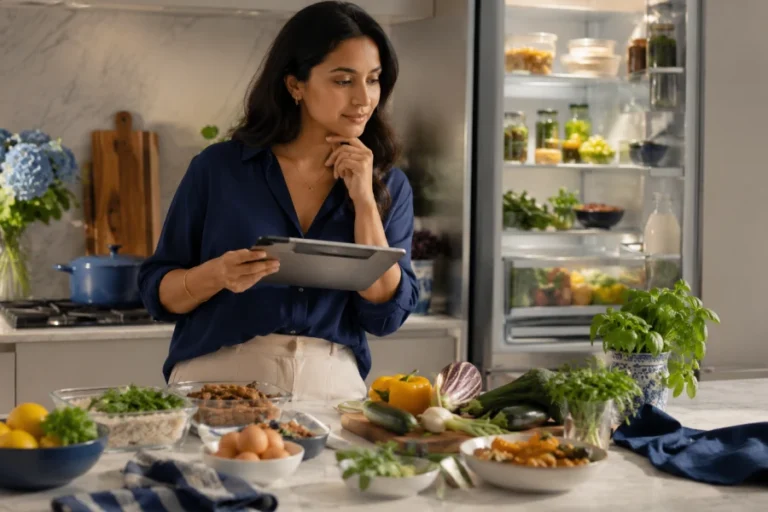
Digital planning can be useful when creativity feels low. A tool can suggest combinations based on what you type in. It can offer substitutions, timing ideas, and recipe directions. That support is especially helpful when the fridge contains small amounts of several things. Instead of wasting mental energy, cooks can move straight into action. Families exploring smart recipe planning should still edit suggestions for taste. A tool can inspire dinner, but the household decides what feels right. The best results combine technology with everyday cooking instincts.
The habit gets easier with a few repeatable steps. First, check what needs to be used soon. Second, choose a meal format. Third, add one flavor bridge. Fourth, decide whether the meal needs protein, crunch, or freshness. This simple process can work in minutes. It also teaches cooks to trust themselves. Keep notes on combinations that work well. Repeat them often. There is no need to reinvent dinner every night. Reliable meals are valuable. Over time, the refrigerator feels less like a problem and more like a starting point. That confidence may be the biggest benefit of all.



Leave a comment